Picture a dispatch supervisor at a distribution centre outside Lahore. A truck is waiting at the loading dock, a customer is on hold with a question about the consignment, and the only telephone that can answer it is mounted on a wall eighty metres away inside the admin office. He jogs over, the caller has hung up, and a delivery that should have taken ten minutes to resolve now eats half the afternoon. Multiply that scene across a working week and the cost of tethered communication becomes very real.
Warehouses, factories, cold stores, and yards are precisely the environments where a desk phone makes the least sense — yet many Pakistani operations still run on exactly that. This guide looks at the alternative: portable handsets that travel with your people across the site, how to choose between the wireless technologies available, and what it takes to deploy them so calls never drop between the racking.
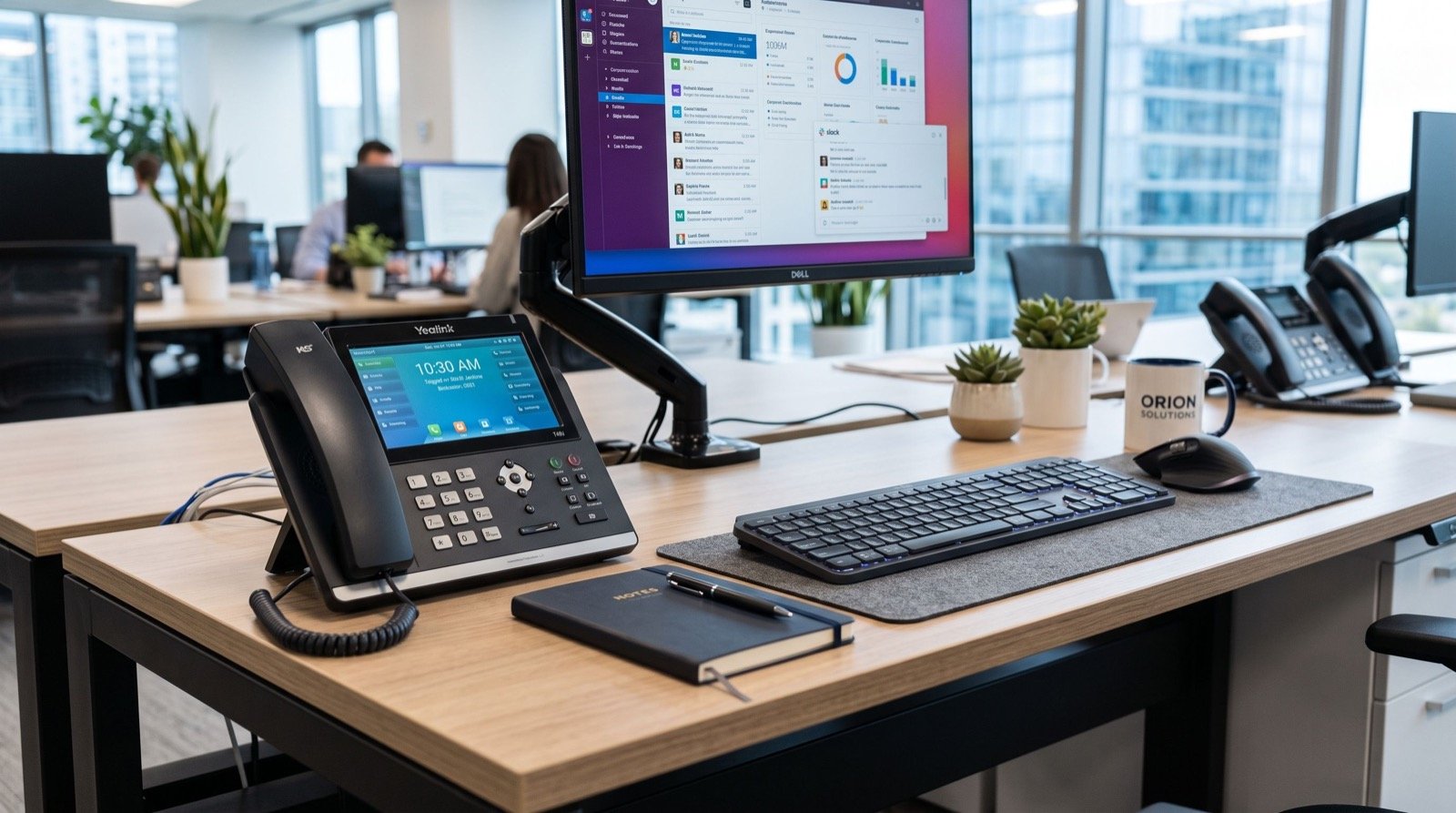
Why the Desk Phone Fails on a Working Floor
Industrial staff are mobile by definition. Forklift operators, pickers, floor supervisors, and quality inspectors spend their shifts moving, so a fixed extension serves them for only the few minutes an hour they happen to pass it. The result is a familiar pattern: missed internal calls, tannoy announcements that interrupt everyone to reach one person, and decisions delayed until someone physically walks to a phone. Fixed telephony was designed for people who sit; a warehouse employs almost nobody who does.
Why Personal Mobiles and Walkie-Talkies Are Poor Substitutes
Handing out SIM-based mobiles seems like an easy answer, but it fragments the business onto personal numbers, leaves no call records in your system, invites distraction, and racks up cellular charges for conversations happening inside one building. Walkie-talkies solve the distance problem but nothing else: no connection to your phone system, no way for a customer call to reach the floor, and open channels that broadcast every message to everyone. Neither tool lets a supervisor take a transferred customer call while standing in aisle fourteen — which is exactly the capability that changes how a site operates.
DECT or Wi-Fi: Choosing Your Wireless Route
Two mature technologies deliver cordless extensions. DECT uses dedicated base stations on their own radio frequency, offering excellent voice stability but requiring you to purchase and cable a separate network of bases and repeaters across the site. Wi-Fi handsets instead register directly to the wireless network you likely already operate for barcode scanners, tablets, and inventory software. If your facility has solid Wi-Fi coverage, that route means zero additional radio infrastructure: the handset simply joins the network and behaves like any other extension on your PBX. For most modern warehouses already invested in wireless scanning, Wi-Fi telephony is the shorter, cheaper path.
What a Purpose-Built Portable Handset Should Offer
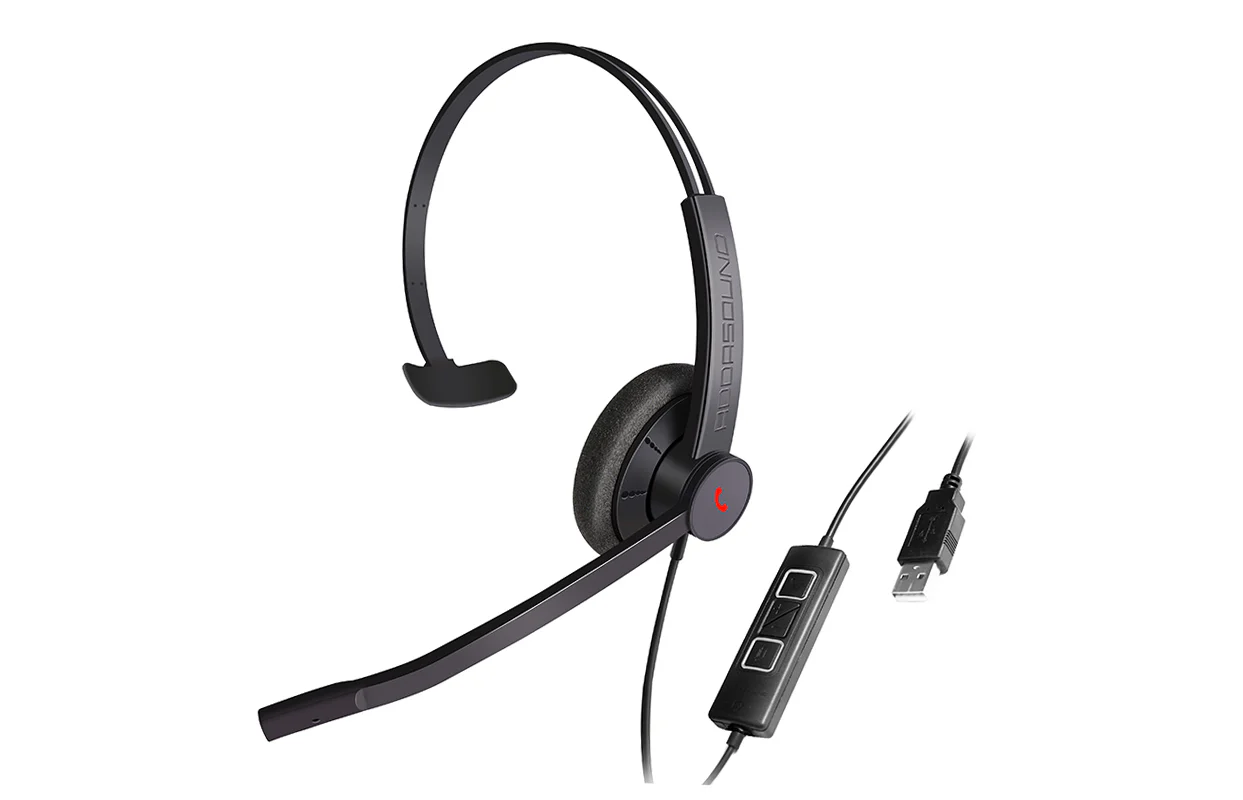
A phone that lives on a warehouse floor needs different DNA from an office device. Look for a rugged, drop-tolerant body, a battery that outlasts a full shift, dual-band radio support so it can use the cleaner 5 GHz spectrum, and fast roaming so conversations survive the handover between access points as the user walks. The Fanvil W610W is a good illustration of the category: a pocketable Wi-Fi SIP handset with dual-band roaming support and shift-length battery life, built to be carried rather than parked, and priced so equipping an entire floor team does not require a capital committee.
Planning Coverage So Calls Never Drop
Voice is less forgiving than data. A scanner that loses signal for two seconds retries silently; a phone call stutters audibly. Before deployment, walk the site with a survey app and map signal strength inside aisles, cold rooms, and mezzanines, remembering that loaded steel racking absorbs radio energy and that stock levels change the picture week to week. Plan for overlapping access-point coverage so a moving handset always has a second candidate to roam onto, enable voice prioritisation on the wireless controller, and test with a live call while walking the worst corridors. An afternoon of surveying prevents months of complaints.
Connecting the Floor to Your Existing Phone System
Portable handsets deliver their real value when they are full citizens of the company PBX rather than a parallel gadget. Registered as SIP extensions, they can receive transferred customer calls, join ring groups, dial any desk in head office, and appear in call logs like every other user. Distributors that stock fanvil ip phones can usually pre-provision handsets against your PBX before shipping, so devices arrive ready to register — worth requesting if your team lacks in-house telephony experience, because it reduces rollout to charging batteries and handing out units.
Keeping the Wireless Network Alive Through Outages
A cordless fleet is only as available as the access points it depends on, and industrial feeders in Pakistan are not famous for stability. Put your PoE switches and internet router on backup power as a baseline, and consider that many large-roofed facilities are ideal candidates for solar generation that can carry network loads through daytime outages. There is plenty of misinformation about what solar can and cannot do for industrial premises, so it is worth talking to reputable service experts before dismissing the option — the network cabinet that powers your phones draws remarkably little and is cheap to protect.
Key Takeaways
- Fixed desk phones structurally mismatch warehouse work, where nearly every employee is mobile.
- Personal mobiles and walkie-talkies fragment communication and never integrate with the company phone system.
- Wi-Fi handsets reuse the wireless network most facilities already run for scanners, avoiding new radio infrastructure.
- Prioritise rugged build, shift-length battery, dual-band support, and fast roaming when selecting devices.
- A wireless site survey around loaded racking is essential before rollout, not after complaints begin.
- Backup power for switches and access points — including solar where roofs allow — keeps the fleet reachable during load-shedding.
Final Thoughts
The gap between a warehouse that communicates well and one that communicates poorly shows up everywhere: truck turnaround times, picking error rates, how quickly a customer query about a shipment gets a definitive answer. Untethering your people from wall-mounted phones attacks that gap directly, and with Wi-Fi handsets riding on infrastructure you already own, the barrier to entry has never been lower.
Start with a pilot: survey the wireless coverage, equip the three or four roles that move the most, and measure how internal response times change over a month. Operations managers who run that experiment rarely go back — once a supervisor has answered a customer transfer from the far end of the yard, the wall phone starts to look like the museum piece it is.